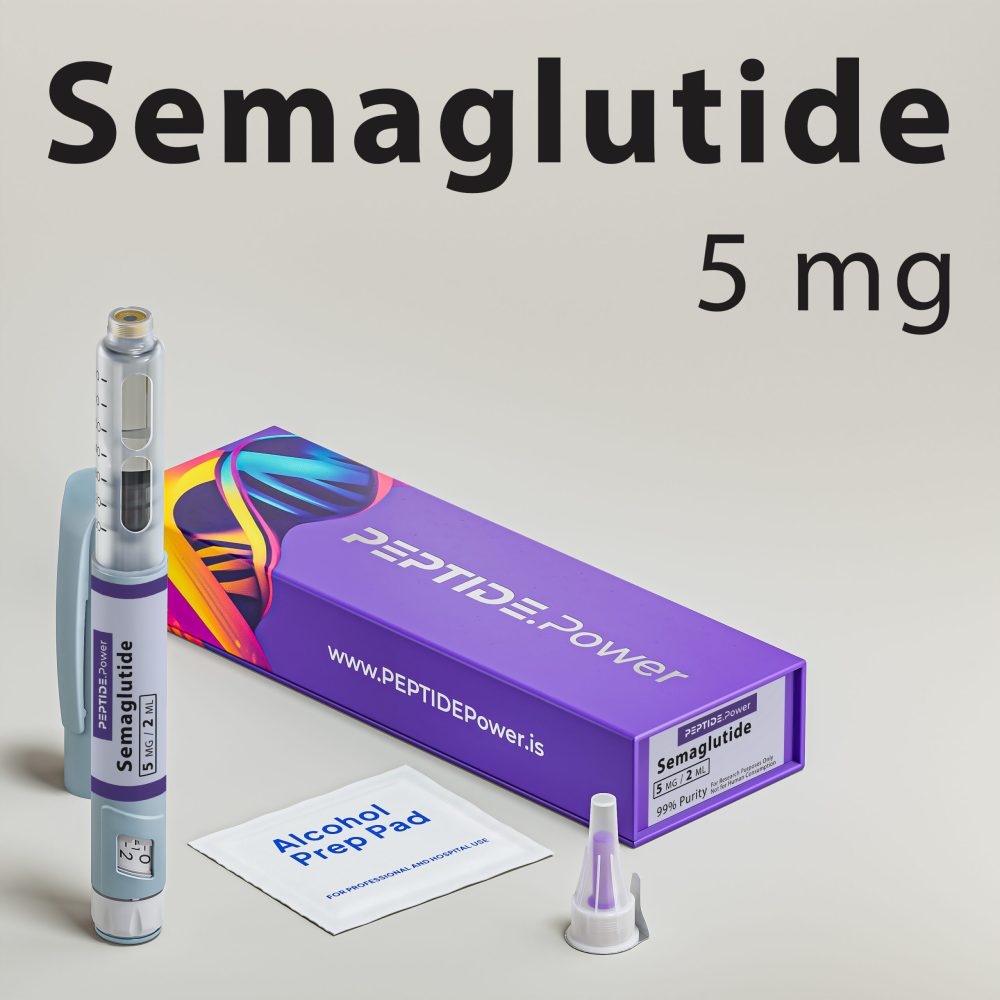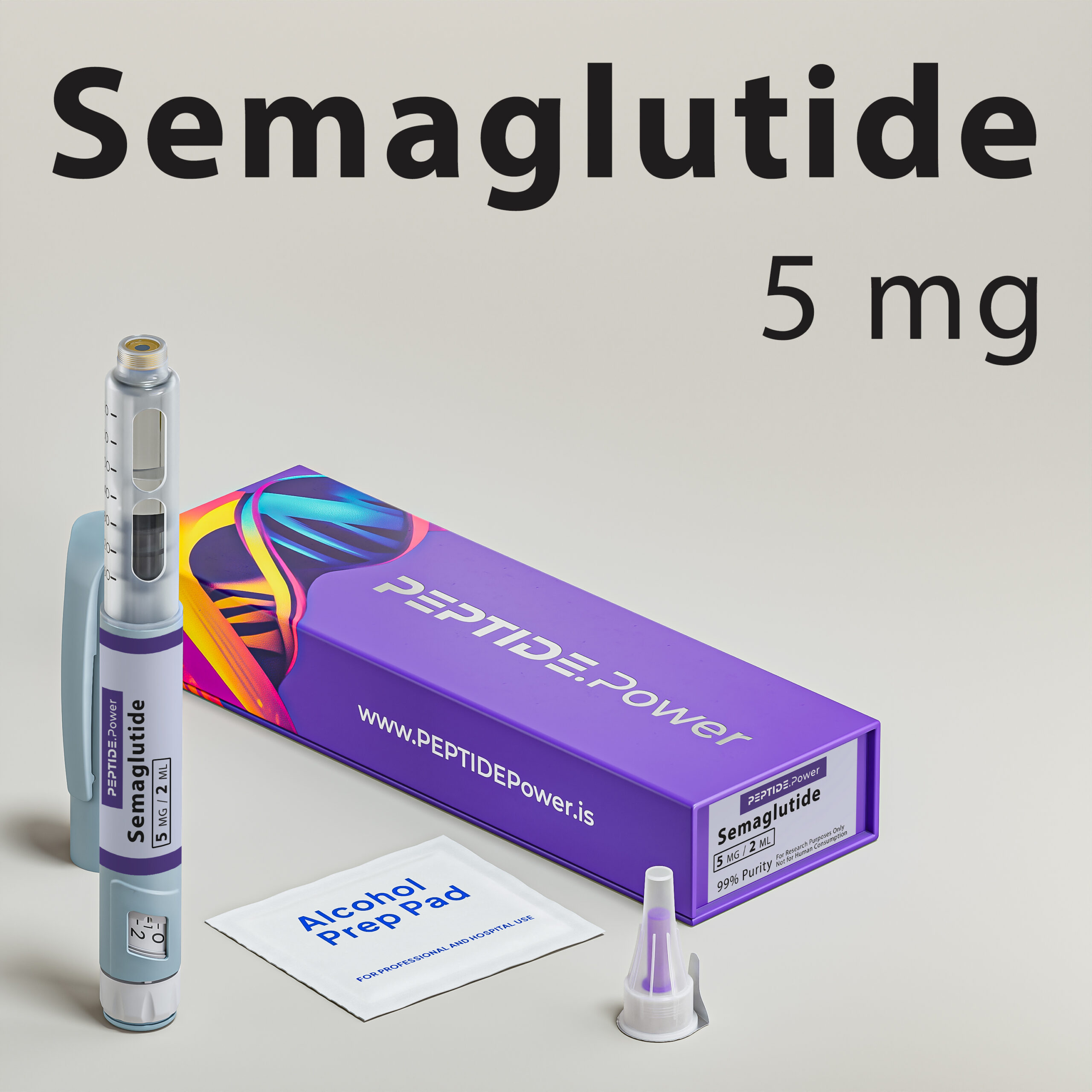

Semaglutide
90,00 €
Semaglutide - GLP-1 Weight Management & Glucose Control
Description
Semaglutide is a long-acting GLP-1 receptor agonist studied for its ability to improve glycemic control, promote weight loss, and enhance metabolic efficiency. It mimics endogenous glucagon-like peptide-1 to stimulate insulin secretion, suppress glucagon release, and delay gastric emptying, providing sustained metabolic regulation.
In clinical research, Semaglutide has demonstrated significant body weight reduction and improved lipid profiles through appetite suppression, increased energy expenditure, and enhanced insulin sensitivity. These effects make it one of the most widely studied peptides in obesity and metabolic health research.
Semaglutide also contributes to cardiometabolic protection by improving endothelial function, reducing inflammation, and lowering blood pressure and triglycerides. Its neuroendocrine effects extend to appetite regulation centers in the hypothalamus, contributing to long-term behavioral changes in caloric intake and energy balance.
Formulated in a stabilized pre-mixed injection pen for SubQ administration, Semaglutide ensures high systemic bioavailability and precise dosing control under experimental conditions. It is an essential research peptide for studies focused on obesity, diabetes, and energy metabolism.
Clinical Status:
Semaglutide is a synthetic peptide analog approved for type 2 diabetes and obesity management but also widely studied in research for expanded metabolic and longevity applications.
Evidence type:
Human RCT ✔ | Observational ✔ | Animal ✔ | In vitro ✔ | Regulatory ✔
Mechanism of Action
Semaglutide is a GLP-1 receptor agonist that activates cyclic AMP pathways in pancreatic β-cells, enhancing glucose-dependent insulin secretion while suppressing glucagon release. Peripheral and central GLP-1R activation contributes to appetite suppression through hypothalamic proopiomelanocortin (POMC) neuron stimulation. The substitution of alanine with α-aminoisobutyric acid and acylation with a C18 fatty acid chain increases albumin binding and resistance to DPP-4 degradation, extending its half-life to approximately one week. These structural modifications allow for sustained plasma levels and effective weekly dosing in metabolic research.
Benefits
- Potent GLP-1 Receptor Agonist for Metabolic Regulation:
Semaglutide is a synthetic GLP-1 receptor agonist extensively studied for its ability to enhance insulin secretion, suppress glucagon release, and delay gastric emptying. These combined actions improve glycemic control and support energy balance, making it one of the most effective peptides under investigation for obesity and type 2 diabetes research. - Significant Weight Reduction in Long-Term Studies:
Human clinical trials demonstrate that Semaglutide produces average weight reductions of 12-16% through appetite suppression, improved insulin sensitivity, and enhanced fat metabolism. This sustained fat loss effect positions Semaglutide as a leading peptide in experimental weight management and body recomposition models. - Improved Glycemic Control and Insulin Sensitivity:
Semaglutide enhances glucose-dependent insulin secretion and improves pancreatic beta-cell function. It reduces HbA1c and fasting glucose levels without causing hypoglycemia, providing a balanced metabolic profile ideal for studies focusing on glucose tolerance, insulin resistance, and diabetic metabolism. - Reduction of Visceral Fat and Lipid Optimization:
Clinical and preclinical research show that Semaglutide reduces visceral and hepatic fat accumulation by modulating lipid oxidation and suppressing hepatic lipogenesis. These effects contribute to improved liver enzyme levels, lipid profiles, and overall cardiovascular health, making it valuable in metabolic and hepatic research applications. - Regulation of Appetite and Caloric Intake:
Through its action on hypothalamic satiety centers, Semaglutide reduces appetite and food cravings while prolonging post-meal fullness. This appetite-regulating mechanism supports sustained caloric reduction and forms the foundation of its effectiveness in weight management and obesity research models. - Cardiometabolic Protection and Vascular Health:
Studies reveal that Semaglutide lowers LDL cholesterol, triglycerides, and systolic blood pressure while improving endothelial function. These effects provide strong evidence of cardioprotective potential, making it a promising candidate in research on cardiovascular and metabolic health synergy. - Reduction of Inflammatory and Oxidative Stress Markers:
Semaglutide administration has been associated with decreased levels of CRP, TNF-α, and IL-6, reflecting a reduction in systemic inflammation. It also improves oxidative balance by upregulating antioxidant defenses, contributing to cellular protection in metabolic stress models. - Preservation of Lean Muscle During Fat Loss:
Unlike extreme caloric restriction or pharmacological weight-loss methods, Semaglutide selectively reduces adipose tissue while preserving lean muscle mass. This supports long-term metabolic stability and aligns with research targeting body recomposition and muscle retention during fat reduction. - Improvement of Liver Health and NAFLD Parameters:
In models of non-alcoholic fatty liver disease (NAFLD), Semaglutide has demonstrated a reduction in hepatic steatosis, inflammation, and fibrosis. These outcomes are linked to improved lipid metabolism, mitochondrial function, and insulin signaling, emphasizing its potential in hepatic and metabolic disorder research. - Enhanced Mitochondrial Function and Energy Efficiency:
Semaglutide improves mitochondrial biogenesis and respiratory efficiency in adipose and muscle tissue. By increasing energy expenditure and cellular respiration, it supports studies focused on energy optimization, endurance, and longevity in metabolic research. - Synergistic Potential with Other Metabolic Peptides:
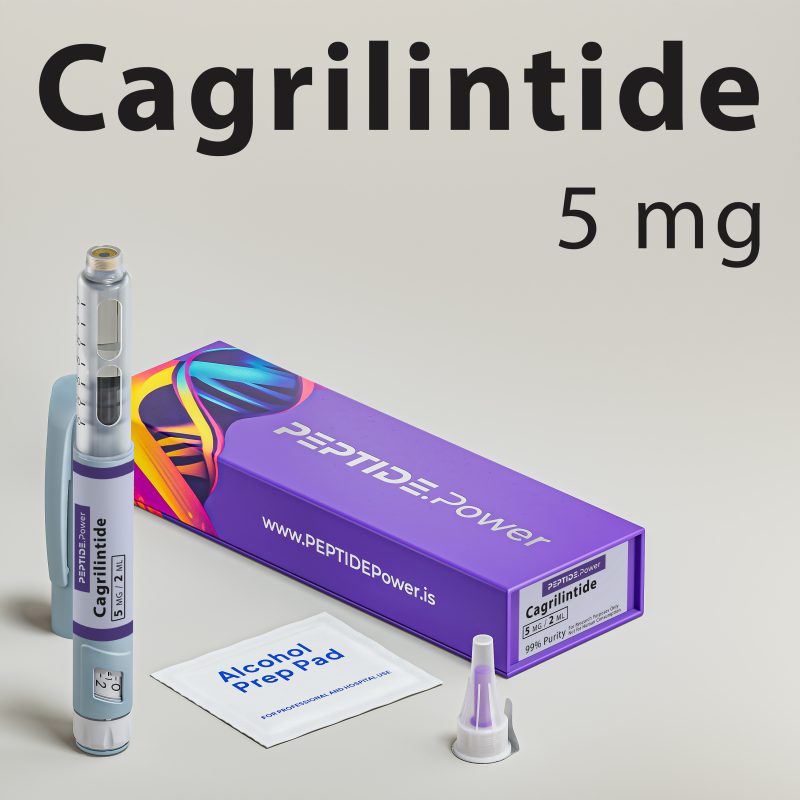
Research often explores the combination of Semaglutide with Cagrilintide, AOD-9604, or Tirzepatide to enhance fat oxidation, appetite control, and glucose homeostasis. These synergistic interactions expand its application in advanced metabolic and body composition research models. - Long-Term Metabolic Adaptation and Weight Maintenance:
Extended follow-up studies show that Semaglutide users maintain most of their weight reduction even after discontinuation, indicating durable metabolic reprogramming. This sustained adaptation supports its investigation in long-term studies of energy regulation, obesity relapse prevention, and metabolic health restoration.
Research Data
| Study/model | Reported effect |
| Human RCTs (Type 2 Diabetes) |
↓ HbA1c up to -1.8%, ↓ body weight 5-10% vs placebo
|
| Human RCTs (Obesity) |
↓ Body weight up to 15% after 68 weeks, ↓ waist circumference
|
| Comparative trials (Semaglutide vs Liraglutide) |
Greater body weight reduction and metabolic improvements
|
| Rodent models of obesity |
↓ Food intake, ↑ thermogenesis and lipid oxidation
|
| In vitro β-cell studies |
↑ Insulin secretion and β-cell proliferation via GLP-1R
|
| Nonalcoholic fatty liver models |
↓ Hepatic fat content and inflammatory cytokines
|
| Human post-hoc analyses |
↓ LDL, ↓ CRP, improved cardiovascular biomarkers
|
Stack Suggestions
Semaglutide is commonly stacked with Cagrilintide to explore synergistic appetite suppression.
It may also be combined with AOD-9604 in metabolic studies focused on adipose tissue regulation.
Stacks discussed are for experimental design only, not safety or efficacy guidance.
Pen Dosage Chart
| Semaglutide Pen 5 mg | |
| Volume | 2.0 mL |
| mg/mL | 2.5 mg/mL |
| Click-to-Dose | 1 click = 0.025 mg |
| Example(s) | 10 clicks = 0.25 mg; 40 clicks = 1.0 mg |
Dosage & Protocols Variations
Standard Metabolic Protocol
- Dose: 0.25 – 1 mg
- Duration: 8 – 12 weeks
- Frequency: 1× weekly
- Cycle Interval: 8-week rest
- Goal / Description: Designed for glucose and metabolic balance studies
Weight Management Protocol
- Dose: 0.5 – 2 mg
- Duration: 12 – 24 weeks
- Frequency: 1× weekly
- Cycle Interval: 8-week rest
- Goal / Description: Used in obesity and appetite regulation models
Comparative GLP-1 Study
- Dose: 1 mg
- Duration: 8 – 12 weeks
- Frequency: 1× weekly
- Cycle Interval: 8-week rest
- Goal / Description: Comparative analysis with GLP-1/GIP dual agonists
Maintenance Protocol
- Dose: 0.25 – 0.5 mg
- Duration: ongoing
- Frequency: 1× weekly
- Cycle Interval: 12-week rest
- Goal / Description: Sustains experimental adaptation phase outcomes
Possible Side Effects
Semaglutide, as a research peptide, may induce side effects in experimental models, primarily affecting the gastrointestinal system due to its impact on motility and secretion. These reactions are often dose-dependent and more prominent during initial titration phases via subcutaneous administration. Monitoring is key to assess tolerance.
Nausea: The most frequent issue, manifesting as mild to moderate queasiness post-injection, which typically subsides with continued use.
Vomiting: Occurs in some models, especially at higher doses, linked to delayed gastric emptying.
Diarrhea: Loose stools may arise from altered intestinal transit, sometimes accompanied by abdominal discomfort.
Constipation: Conversely, slowed motility can lead to infrequent bowel movements in certain cases.
Fatigue: General tiredness or lethargy, possibly from caloric restriction or metabolic shifts.
Headache: Mild headaches reported, potentially from dehydration or blood sugar changes.
It is important to note that most side effects are transient and manageable with dose adjustments. Rare but serious concerns include pancreatitis or gallbladder issues, emphasizing the need for careful observation in protocols.
Product Attributes
- CAS #: 910463-68-2
- Molecular Formula: C187H291N45O59
- Sequence (AA): HAEGTFTSDVSSYLEGQAAKEFIAWLVKGRG -amide (modified)
- Molecular Weight: 4113.58 g/mol
- PubChem CID: 56843333
- Half-Life: ~7 days
- Synonyms: Ozempic, Wegovy, GLP-1 Analog, Rybelsus, NN9535
- Type: Synthetic Analog (GHRH Analog) + Synthetic Peptide (GHRP)
- Research Focus: Recovery & Performance, Metabolism, Anti-Aging
Scientific References
- Once-weekly semaglutide in adults with overweight or obesity Human RCT
- Long-term weight loss effects of semaglutide in obesity without diabetes in the SELECT trial Human RCT
- Semaglutide for the treatment of obesity Observational
- Semaglutide, a glucagon like peptide-1 receptor agonist with cardiovascular benefits for management of type 2 diabetes Animal
- Efficacy and safety of semaglutide for weight loss in obesity without diabetes: a systematic review and meta-analysis Human RCT
- Semaglutide and cardiovascular outcomes in obesity without diabetes Human RCT
- Clinical insight on semaglutide for chronic weight management in adults: a brief review Observational
- A systematic review and meta-analysis of randomized controlled trials on the chronic effects of semaglutide medication on HbA1c and body weight in individuals with type 2 diabetes Human RCT
- Molecular mechanisms of semaglutide and liraglutide as monoagonists or in combination with curcumin in diet-induced obese mice Animal
- Anti-inflammatory benefits of semaglutide: state of the art In vitro
- Semaglutide vs tirzepatide for weight loss in adults with overweight or obesity Human RCT